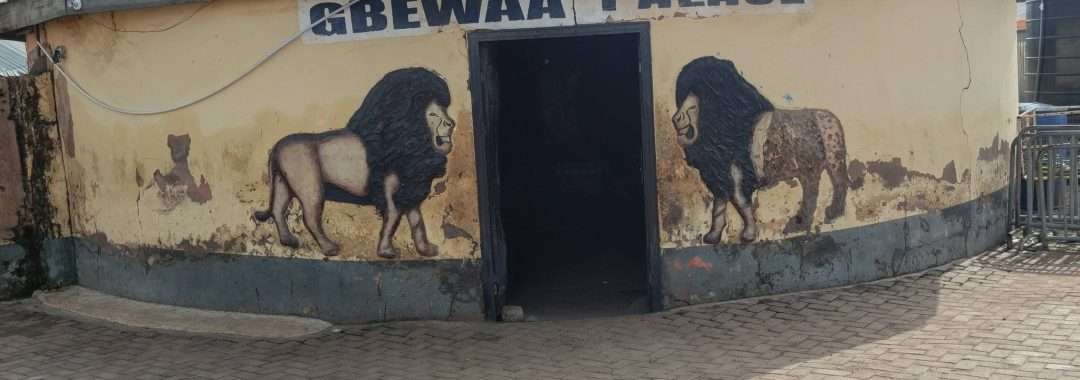
The Head of the Local Government Service (LGS), Professor Lord Kwaku Mensah, and his delegation have successfully concluded a five-day working tour of all 16 Metropolitan, Municipal and District Assemblies (MMDAs) in the Northern Region. The tour, which ended on Friday, 9 October 2026, provided a platform for engaging local government staff, reinforcing professional standards and strengthening institutional effectiveness across the region.
The delegation was led by the Acting Chief Director of the Northern Regional Coordinating Council (NRCC), Mr. Sumaila Ewuntomah Abudu, who accompanied Professor Mensah and his team throughout the engagements with the various assemblies.
The tour covered the Savelugu Municipality, Kumbungu District, Sagnarigu Municipality, Tamale Metropolitan Assembly, Saboba District, Mion District, Tolon District, Kpandai District, Nanumba South District, Nanumba North Municipality, Tatale-Sanguli District, Zabzugu District, Yendi Municipality, Gushegu Municipality, Karaga District and Nanton District.
The five-day exercise formed part of efforts to strengthen the relationship between the national leadership of the Local Government Service and staff at the regional and district levels. It also provided an opportunity to discuss administrative challenges, reinforce professional standards and explore practical approaches to improving efficiency and service delivery within the local government system.
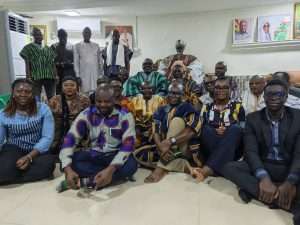
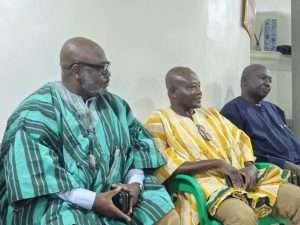
During the engagements, Professor Mensah underscored the importance of professionalism, discipline, accountability and dedication among public servants. He encouraged staff of the Local Government Service to uphold the principles and standards governing the public service and ensure that their conduct reflects integrity, impartiality and commitment to duty.
He also cautioned local government staff against engaging in frontline partisan political activities at their workplaces, emphasising the need for public servants to remain professional and politically neutral in the discharge of their official responsibilities. He stressed that maintaining professionalism was essential to building public confidence and ensuring that government institutions served all citizens fairly.
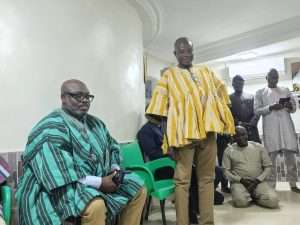
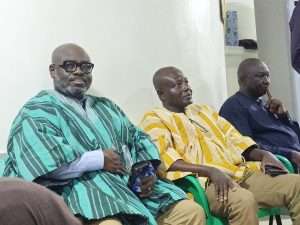
The Head of the Local Government Service further highlighted the need for staff to demonstrate punctuality, respect for institutional procedures and a strong sense of responsibility. He urged management and employees of the various assemblies to work collaboratively towards achieving their respective development objectives while adhering to the rules and regulations governing the Local Government Service.
The engagements also provided an opportunity for staff to share concerns relating to working conditions, office accommodation, logistics, staffing and other administrative challenges that could affect their performance. Such interactions are important in identifying operational gaps and informing measures to strengthen the capacity of local government institutions.
Professor Mensah encouraged management of the assemblies to promote teamwork, effective supervision and continuous professional development. He noted that building a responsive and efficient local government system required the collective commitment of management and staff, supported by appropriate institutional arrangements and the responsible use of available resources.
The historic visit by Professor Lord Kwaku Mensah to the Northern Region deserves commendation as a demonstration of leadership commitment, institutional engagement and dedication to strengthening Ghana’s decentralised governance system. His decision to engage directly with staff across all 16 MMDAs reflects an appreciation of the critical role local government employees play in national development. The visit provided an important opportunity for dialogue, knowledge-sharing and the identification of challenges affecting public servants at the local level.
By bringing the leadership of the Local Government Service closer to its workforce, Professor Mensah reinforced the importance of listening to staff, promoting professional excellence and fostering collaboration towards improved public service delivery. The initiative is worthy of recognition as a significant step towards deepening institutional relationships and advancing effective local governance in the Northern Region and Ghana as a whole.
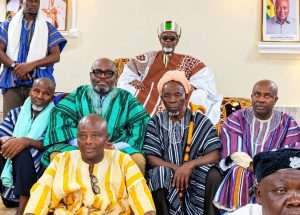
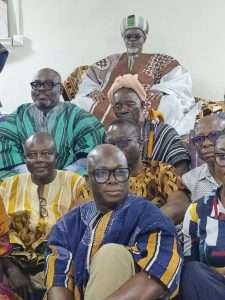
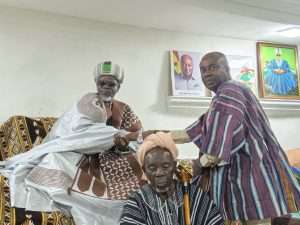
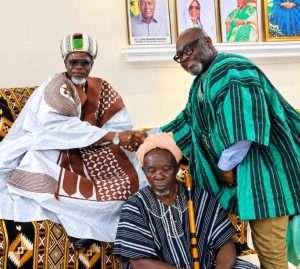
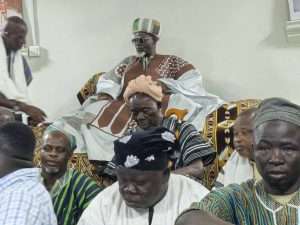
As part of the tour, the Head of the Local Government Service, Professor Lord Mensah, engaged with traditional rulers to strengthen collaboration between traditional authorities and local government institutions. The engagement provided an opportunity to discuss issues affecting local development and explore ways to deepen cooperation in addressing the needs of communities.
Professor Mensah emphasised the importance of partnership between traditional authorities and the Metropolitan, Municipal and District Assemblies (MMDAs) in promoting grassroots development, improving service delivery and addressing challenges confronting local communities. The engagement reaffirmed the need for sustained collaboration among all stakeholders to advance development across the districts.
For his part, the Acting Chief Director of the NRCC, Mr. Sumaila Ewuntomah Abudu, led the regional coordination of the tour and facilitated the delegation’s engagements with the assemblies. His involvement underscored the coordinating council’s role in supporting effective administration, strengthening institutional collaboration and promoting improved performance across the region’s local government structures.
The tour also served as an avenue for reinforcing communication between the national leadership of the Local Government Service and staff at the regional and district levels. Direct engagements of this nature help deepen understanding of institutional priorities, clarify expectations and encourage the adoption of common standards in public administration.
The successful conclusion of the five-day tour marks an important milestone in the engagement between the leadership of the Local Government Service and local government institutions in the Northern Region. The discussions and interactions are expected to contribute to ongoing efforts to address administrative concerns, strengthen professional standards and improve the delivery of public services.
As the assemblies continue to discharge their mandates, staff are encouraged to translate the lessons and expectations arising from the engagements into practical improvements in their daily work. Sustained cooperation among the Local Government Service, the NRCC and the various assemblies will remain essential to promoting accountable administration, effective coordination and responsive local governance.
The tour ended on Friday, 9 October 2026, following five days of engagements across all 16 MMDAs in the Northern Region, reaffirming the importance of leadership interaction, professional conduct and institutional collaboration in strengthening Ghana’s decentralised local government system.