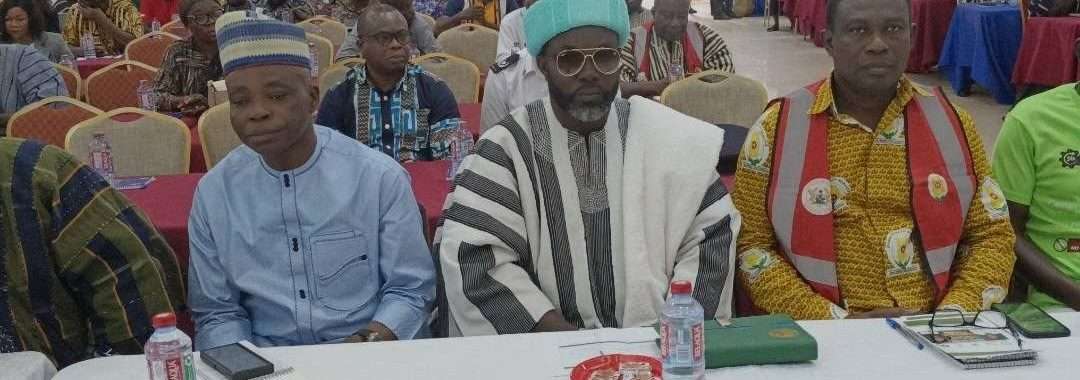
The Northern Regional Minister, Hon. Ali Adolf John, has called for a stronger, accessible and community-centred healthcare system as the Northern Region joined the national rollout of the Free Primary Healthcare Policy.
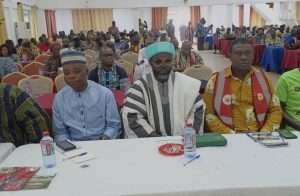
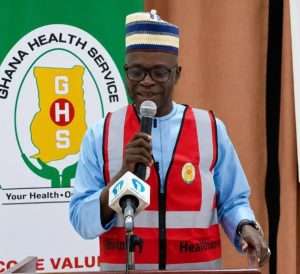
The Minister made the call when he served as Special Guest of Honour at the 2026 Regional Health Sector Mid-Year Performance Review Meeting and Regional Launch of the Free Primary Healthcare Policy at Global Dream Hotel in Tamale on Wednesday, 19 August, 2026.The event brought together health managers, healthcare professionals, representatives of development partners, Metropolitan, Municipal and District Chief Executives, traditional and religious leaders, heads of departments and agencies, and other stakeholders to assess the performance of the health sector during the first half of the year.
Hon. Ali Adolf John commended the Northern Regional Health Directorate, Ghana Health Service, frontline health workers, health managers, development partners and other stakeholders for their continued commitment to improving the health and wellbeing of residents across the Region. He said the mid-year review provided an opportunity to assess achievements, identify gaps, learn from experiences and agree on practical measures to improve performance during the remaining months of the year.
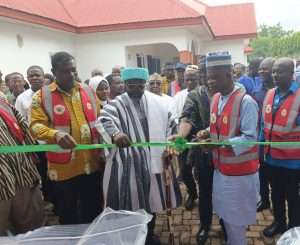
The Minister said the introduction of the Free Primary Healthcare Policy was consistent with Government’s vision of resetting the health sector by shifting greater attention towards disease prevention, early detection and bringing quality healthcare closer to the people. He noted that healthcare should not only focus on treating people after they become sick but must increasingly prevent illness, detect diseases early and ensure access to essential services within communities.
He explained that the policy was being rolled out in phases, beginning with underserved districts, with the ultimate objective of achieving nationwide coverage between 2026 and 2028. The programme provides essential primary-level services at no cost at CHPS compounds, health centres and polyclinics, including screening for hypertension, diabetes and some cancers, maternal and child healthcare, immunisation and treatment of common illnesses.
Hon. Adolf said the policy was particularly important for the Northern Region because geographical and socio-economic conditions could sometimes limit access to healthcare. He therefore called for CHPS compounds, health centres and other primary-level facilities to be adequately resourced and supported to provide accessible, responsive and quality services to communities.
The Minister disclosed that significant progress had already been made towards implementation in the Region, with 14 municipalities and districts selected for the first phase. He said funds had been transferred to the implementing districts and essential medical equipment was being distributed to selected service delivery points.
He consequently urged Regional and District Health Management Teams to ensure that resources allocated under the programme were used efficiently, transparently and strictly for their intended purposes. He also called for strengthened monitoring and accountability mechanisms to ensure that the benefits of the programme reached the intended beneficiaries.
The Minister emphasised that improving healthcare required more than providing services at the point of care, stressing the need for sustained investment in prevention, primary healthcare, specialised treatment, infrastructure, medical equipment, human resources and sustainable health financing.
He highlighted the Ghana Medical Trust Fund, popularly known as MahamaCares, as an important Government intervention aimed at reducing the financial burden associated with chronic and debilitating diseases. The Fund is intended to support patients suffering from conditions including cancer, cardiovascular diseases, chronic kidney disease and stroke, while also supporting healthcare infrastructure, medical equipment, specialist training and research.
Hon. Adolf also stressed the importance of medical equipment and proper maintenance, noting that constructing health facilities without adequately equipping and maintaining them could undermine the quality of services. He disclosed that more than 24,000 pieces of essential medical equipment had been procured for distribution across the country and called for a shift from waiting for equipment to break down to prioritising preventive maintenance, timely repairs, proper utilisation and accountability.
He further noted that Government’s health agenda included strengthening local pharmaceutical and vaccine production, disease surveillance, immunisation, health infrastructure and the development of the health workforce. He said these interventions were critical to building a resilient, responsive and self-reliant healthcare system.
As part of efforts to improve healthcare access in the Northern Region, the Minister disclosed that about 10 health kiosks would be established at strategic locations, particularly in highly populated areas. He said the initiative would complement existing healthcare infrastructure and bring essential services closer to residents.
Hon. Adolf urged the Northern Regional Health Directorate and health managers to use the findings of the mid-year performance review to identify areas requiring urgent attention and develop practical interventions for the remainder of the year.
He called for particular attention to be paid to maternal and newborn health, child health, immunisation, malaria control, disease surveillance, CHPS utilisation, non-communicable diseases, availability of health commodities, referral systems, emergency care and the quality of services provided at health facilities.
The Minister emphasised that national health policies could only achieve their intended objectives when effectively implemented at the regional, municipal, district and community levels. He therefore urged all stakeholders to strengthen collaboration, monitoring, accountability and service delivery to improve health outcomes across the Region.
Describing the Free Primary Healthcare Policy as a historic opportunity to transform healthcare delivery in Ghana, Hon. Ali Adolf John said the policy could move the country from hospital-centred care to community-centred care; from curative care to preventive care; from late intervention to early detection; and from unequal access to more equitable healthcare.
He cautioned, however, that the success of the policy would depend on what stakeholders did after the launch, stressing that free healthcare must go hand in hand with quality healthcare. He insisted that every citizen who enters a health facility deserves to be treated with dignity, respect and professionalism.
Hon. Ali Adolf John subsequently declared the Free Primary Healthcare Policy duly launched in the Northern Region, expressing confidence that the initiative would contribute significantly to improving access to quality healthcare and advancing Universal Health Coverage in the Region and Ghana as a whole.