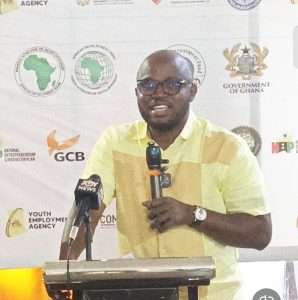
The Northern Regional Minister, Hon. Ali Adolf John, has called for strong stakeholder collaboration, transparency and accountability in the implementation of the Ghana Women and Youth Employment and Social Cohesion Programme (GWYESCO) to ensure that the initiative translates into tangible improvements in the lives of women and young people.
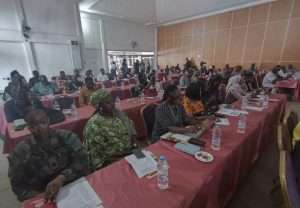
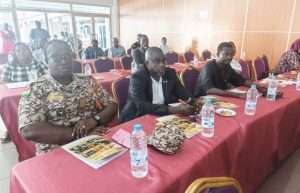
Hon. Ali Adolf John noted that the success of the programme should not be measured by the number of stakeholder meetings held, but by the number of lives transformed through skills development, job creation, entrepreneurship, access to finance and social cohesion interventions. He made the call when he delivered the welcome address at a Regional Stakeholders’ Engagement on GWYESCO held at the Modern City Hotel in Tamale on Monday, September 14, 2026.
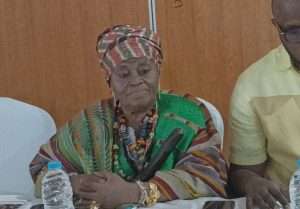
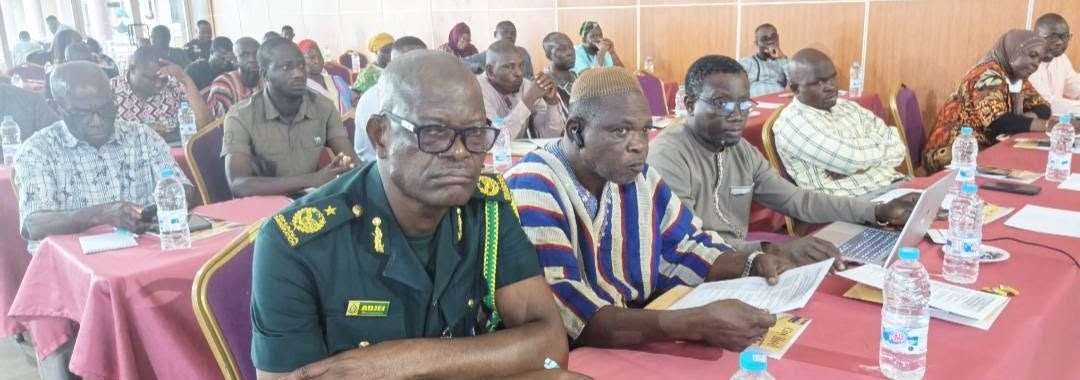
The engagement brought together representatives of the Social Investment Fund (SIF), African Development Bank (AfDB), Ministry of Finance, Ministries, Departments and Agencies, security services, Ghana Technical and Vocational Education and Training Service, ARB Apex Bank, Regional Peace Council, traditional authorities, development partners, Civil Society Organisations and private sector organisations.
Welcoming participants on behalf of the Northern Regional Coordinating Council (NRCC) and the people of the Northern Region, the Minister expressed appreciation to the AfDB for supporting the programme, as well as the Ministry of Finance and SIF for engaging stakeholders at the regional level. He emphasised that GWYESCO’s success would depend on the extent to which stakeholders at the national, regional, district and community levels understood the programme, took ownership of it and worked collectively to achieve its objectives.
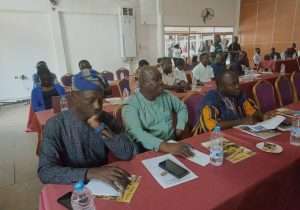
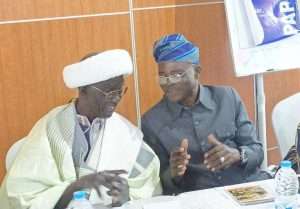
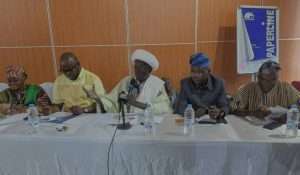
The overall objective of GWYESCO, he noted, was to enhance the resilience and living conditions of women and youth through economic inclusion, job creation, entrepreneurship, access to finance, skills development and social cohesion.
The programme is structured around three major result areas: addressing unemployment, poverty, inequality, conflict and climate vulnerability; improving access to finance, business development services and skills for women- and youth-owned Micro, Small and Medium Enterprises (MSMEs); and strengthening institutional capacity, systems and policy implementation.
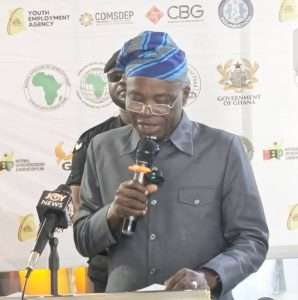
The Minister described Ghana’s youth as one of the country’s greatest assets, citing their energy, creativity, technological capacity and entrepreneurial potential. However, inadequate access to decent employment, skills development and enterprise opportunities, he cautioned, could create vulnerabilities that affect households, communities and the wider economy.
He also highlighted the critical contribution of women to household welfare, agriculture, commerce, enterprise and community development, noting that many continued to face barriers to finance, markets, technology, skills and participation in economic decision-making. He therefore welcomed the decision to place women and youth at the centre of GWYESCO.
Hon. Adolf, however, cautioned that training should not be considered an end in itself and urged TVET institutions, private sector actors and training providers to ensure that skills development responded to actual market demands and equipped beneficiaries to create value, secure decent employment and build sustainable enterprises.
On social cohesion, the Minister described the component as particularly significant for Northern Ghana, where economic exclusion, unemployment, poverty, climate vulnerability and social tensions could reinforce one another and undermine development. He welcomed the incorporation of peacebuilding, social cohesion and climate change into the programme, alongside efforts to strengthen local governance institutions to address conflict, violence, Sexual and Gender-Based Violence (SGBV) and other drivers of fragility.
The Chief Executive Officer (CEO) of the Social Investment Fund (SIF) and Programme Coordinator of GWYESCO, Lawyer Abass Nurideen, disclosed that SIF had been entrusted with the strategic responsibility of serving as the Programme Implementation and Coordinating Unit (PCIU), with the Ministry of Finance serving as the Executing Agency.
He explained that SIF, established in 1998 by the Government of Ghana, the AfDB and the United Nations Development Programme (UNDP), had over the years built strong institutional experience in translating national development priorities and development-partner investments into programmes that reached communities and vulnerable populations.
Lawyer Nurideen said SIF would coordinate implementation, consolidate results, monitor and evaluate programme performance and work closely with implementing institutions to ensure that resources committed to GWYESCO produced measurable results for Ghanaian women, youth, enterprises and communities.
Describing GWYESCO as more than just another development project, the Programme Coordinator said it represented a national investment in people, opportunity, resilience and peace, aimed at ensuring that Ghana’s growing population of young people and women became an engine of economic transformation rather than a source of vulnerability.
The four-year programme will run from 2026 to 2029 across seven regions: Northern, North-East, Savannah, Upper East, Upper West, Central and Eastern. The principal beneficiaries will be young women and men aged 18 to 35 years and women aged 36 years and above, while strategic public institutions will also benefit from capacity strengthening.
Lawyer Nurideen, said the first pillar of the programme would focus on market demand-driven training, with targets including the creation of at least 22,000 direct jobs and more than 6,000 indirect jobs, the construction and equipping of at least eight TVET centres, the provision of STEM, digital and creative industry skills to 28,000 women and youth, as well as agribusiness and rural entrepreneurship training for 5,000 beneficiaries.
He explained that the training would cover areas such as electrical works, tiling, fashion and design, tailoring, building, electronics, hospitality, coding, digital technologies and creative industries, alongside agriculture, livestock, fisheries, poultry, beekeeping, agro-processing and other rural enterprises.
On the second pillar, Lawyer Nurideen indicated that GWYESCO would provide access to finance and non-financial services for women- and youth-owned MSMEs. The programme would support 10,000 MSMEs, establish a US$15 million financing facility, facilitate access to finance for at least 8,000 MSMEs and establish 100 business-to-business linkages between MSMEs and larger enterprises, aggregators and bulk buyers.
The third pillar will strengthen institutional and community capacity to deliver sustainable economic, social and peace-building outcomes by addressing conflict, violence, fragility and social exclusion, particularly in Northern Ghana.
Key implementing partners will include the Youth Employment Agency (YEA), Responsible Cooperative Mining and Skills Development Programme (rCOMSDEP), formerly NAELP, National Entrepreneurship and Innovation Programme (NEIP), GRATIS Foundation, Northern Development Authority (NDA), District Assemblies and other relevant institutions.
Under the implementation arrangements, NEIP will contribute entrepreneurship and business development support, YEA will provide modular training for wage employment, while rCOMSDEP, GRATIS Foundation and SIF will contribute to agribusiness and related skills development. SIF and selected financial institutions, including GCB Bank, CBG and Apex Bank, will facilitate access to business finance.
Lawyer Nurideen called for a united effort among Government institutions, traditional authorities, security agencies, professional associations, private sector actors, financial institutions, Civil Society Organisations, women and youth groups to turn skills into jobs, businesses into employers, opportunity into prosperity and prosperity into peace.
He expressed appreciation to the Government of Ghana, the AfDB and the Ministry of Finance for their support and assured stakeholders that SIF was committed to ensuring that GWYESCO delivered measurable and lasting improvements in the lives of Ghanaian women, youth, enterprises and communities.