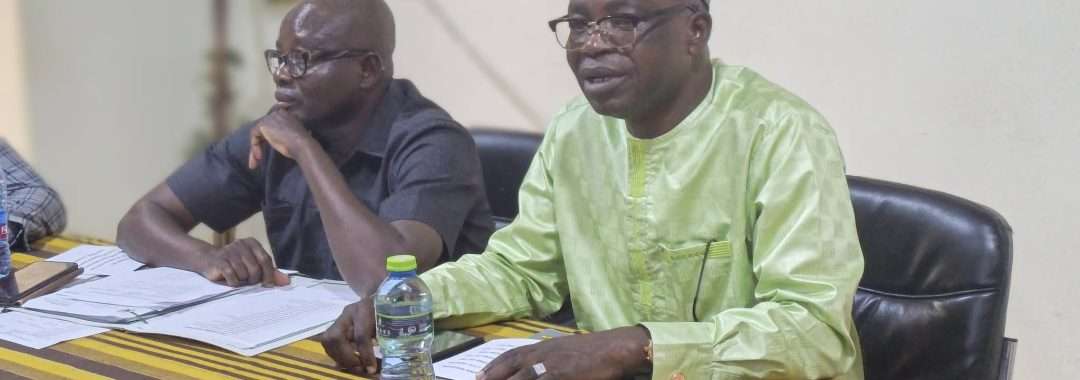
The Northern Regional Minister, Hon. Ali Adolf John, has called on Heads of Departments and Units under the Northern Regional Coordinating Council (NRCC) to deepen collaboration, strengthen accountability, and improve service delivery to accelerate the socio-economic development of the Northern Region.
The Minister made the call during the Second Quarter Expanded Management Meeting of the Northern Regional Coordinating Council, held on Tuesday, 28th July, 2026, at the Conference Hall of the RCC in Tamale. The meeting brought together the Ag. Chief Director, Mr. Sumaila Ewuntomah Abudu, Regional Heads of Departments and Units, and senior officers of the Council to review institutional performance, discuss regional development priorities, and strengthen coordination among Ministries, Departments and Agencies (MDAs).

Delivering the opening remarks, the Ag. Chief Director of the NRCC, Mr. Sumaila Ewuntomah Abudu, welcomed participants and commended all Heads of Departments for their unwavering dedication and commitment to delivering public services despite the operational challenges confronting many government institutions. He acknowledged their sacrifices and urged them to remain steadfast in implementing government policies and programmes for the benefit of the people of the Northern Region.
Mr. Abudu explained that the Expanded Management Meeting had been convened to review the current performance of departments, assess key priorities, strengthen institutional coordination, improve monitoring mechanisms, and ensure the timely submission of departmental reports. He noted that the meeting also serves as a platform for departments to share experiences, identify implementation challenges, and collectively develop practical solutions to improve governance and public service delivery.

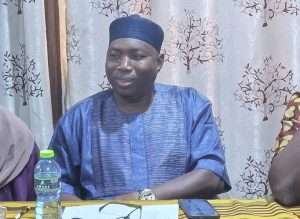
The Ag. Chief Director emphasized that the effectiveness of the meeting would be measured not by the discussions held but by the practical coordination and tangible results achieved afterwards. He therefore called for stronger inter-departmental collaboration, encouraging departments whose mandates are interconnected to jointly plan activities, share information, and meet agreed deadlines to ensure the successful implementation of government interventions.
He reminded participants that coordination should not be treated as an occasional event but as a continuous responsibility that guides the daily operations of every department and agency within the Regional Coordinating Council.
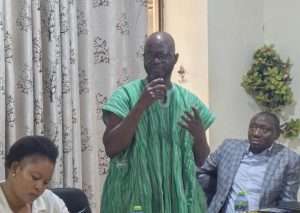
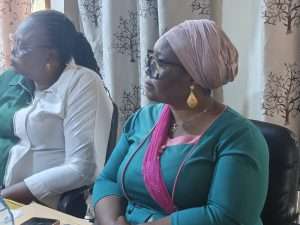
Addressing the gathering, the Northern Regional Minister, Hon. Ali Adolf John, commended the dedication, professionalism, and commitment of all Heads of Departments and Units for their invaluable contributions towards the development of the Northern Region and Ghana as a whole. He described their collective efforts as indispensable to the successful implementation of government’s development agenda.
The Regional Minister underscored the importance of the Expanded Management Meeting in fulfilling the statutory coordinating mandate of the Regional Coordinating Council. According to him, the forum provides an opportunity for departments and agencies to present updates on their activities, review progress, identify challenges, and harmonise strategies aimed at achieving sustainable regional development.
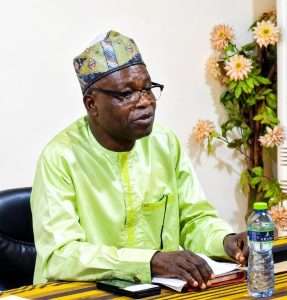
Hon. Ali Adolf John stressed that the work of every department is interconnected and complementary, making collaboration essential to achieving meaningful development outcomes. He therefore urged all institutions to strengthen teamwork, share expertise, and support one another in addressing the developmental challenges confronting the region.
He also emphasized the critical importance of accountability and proper documentation, expressing concern over delays in the submission of quarterly reports by some departments and agencies. He explained that quarterly reports provide evidence of the work undertaken by institutions and serve as an important tool for measuring performance, informing policy decisions, and demonstrating the relevance and effectiveness of government agencies.
The Minister cautioned that failure to submit quarterly reports creates the impression that departments are inactive, thereby undermining their credibility and efficiency. He therefore urged all Heads of Departments and Agencies to treat the preparation and timely submission of quarterly reports as a priority, noting that the RCC also has the responsibility of transmitting the reports to the relevant national ministries and institutions within the stipulated timelines.
Touching on the current state of mourning in the Northern Region, Hon. Ali Adolf John paid glowing tribute to the late Overlord of Dagbon, Yaa-Naa Abukari II, whose passing on 11th July, 2026, has brought great sorrow to the region. He observed that the three-day and seven-day funeral rites had been successfully conducted in accordance with Dagbon customs and traditions.
The Regional Minister prayed for the peaceful repose of the late King’s soul and expressed confidence that the processes leading to the installation of the next Yaa-Naa would be conducted peacefully, urging all stakeholders to uphold unity, mutual respect, and the rich cultural traditions of the Dagbon Kingdom throughout the succession process.
Reaffirming his commitment to inclusive leadership, Hon. Ali Adolf John assured all staff of the RCC that his office remains open to everyone. He encouraged officers to freely share ideas, concerns, and constructive advice whenever necessary, emphasizing that open communication, mutual respect, and teamwork are fundamental to effective governance and efficient public service delivery.
In his concluding remarks, the Regional Minister commended all Heads of Departments and staff of the RCC for their continued dedication and urged participants to approach the deliberations with open minds and renewed commitment as they work collectively to implement government’s policies and programmes for the transformation of the Northern Region.
During the meeting, the Regional Coordinator of the Ghana Medical Trust Fund (GMTF) for the Northern and North East Regions, Mr. Isaac Konlaan, briefed participants on the government’s flagship MAHAMACARES initiative, established under Act 1144 of 2025 to combat the growing burden of non-communicable diseases (NCDs), which account for about 45 percent of deaths in Ghana. He explained that the Fund supports specialized medical care through four key pillars: financial assistance for patients, investment in health infrastructure and equipment, training of specialist healthcare professionals, and medical research. He added that the Fund is financed through a 20 percent allocation from the NHIS Levy, government budgetary support, as well as grants and donations.
Mr. Konlaan highlighted the Fund’s major achievements, including the commissioning of the CATLAB at the Korle Bu Teaching Hospital and the ongoing construction of cardiology centres in Kumasi and Tamale. He disclosed that the Tamale Teaching Hospital has also been approved to receive a modern oxygen plant, MRI and CT Scan machines, a mammography unit, and oxygen concentrators to enhance specialized healthcare delivery in Northern Ghana. He further noted that the Fund fully covers treatment costs for selected childhood and adult cancers, while Navigation Officers stationed at the Tamale Teaching Hospital and the Northern Regional Hospital are available to assist beneficiaries in accessing care under the MAHAMACARES programme.
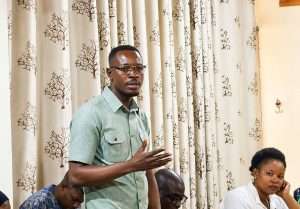
The meeting also featured an interactive open forum during which Heads of Departments and Units engaged in constructive discussions on key development issues affecting the Northern Region. Participants shared experiences, identified implementation challenges, and made valuable recommendations aimed at strengthening institutional coordination, improving public service delivery, and accelerating the socio-economic development of the region.