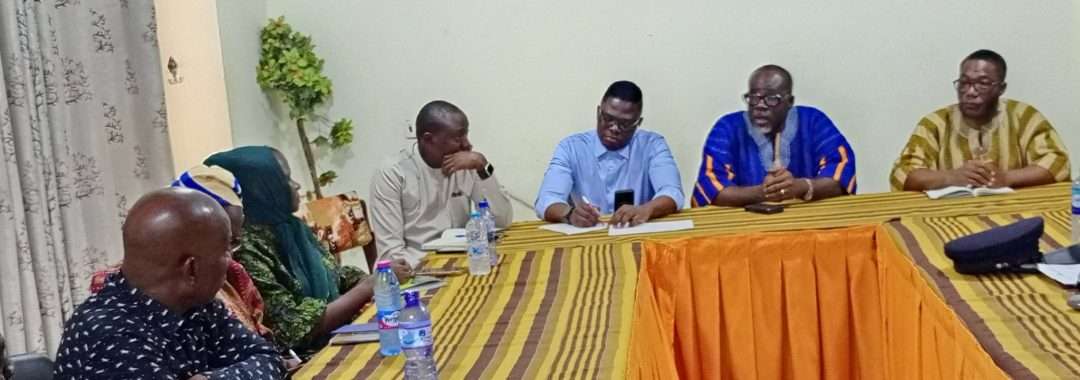
A high-level regional stakeholder engagement meeting on the registration of children between the ages of six (6) and fourteen (14) years under the National Identification System has been held at the Northern Regional Coordinating Council (NRCC) Conference Hall in Tamale on Wednesday, 20th May, 2026.
The meeting, organized by the National Identification Authority, brought together key government institutions and stakeholders to deliberate on strategies aimed at ensuring a successful and smooth registration exercise across the Northern Region.
The delegation from the national headquarters of the National Identification Authority was led by the Deputy Executive Secretary, Alhaji Mohammed Naziru Seidu, who explained that the stakeholder engagement formed part of preparations toward the nationwide registration of children within the targeted age bracket onto the Ghana Card system.
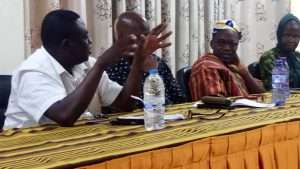

According to him, the discussions centered on practical ways of conducting the registration exercise effectively, intensifying public education and information dissemination, as well as ensuring adequate security arrangements throughout the exercise.
Alhaji Naziru disclosed that the registration exercise has already commenced in the Volta and Oti Regions, where over eighty thousand (80,000) children have so far been successfully registered. He noted that the Northern Region is the next target area and is tentatively scheduled to begin the exercise from 11th June, 2026.
He further revealed that the registration process in the Northern Region would largely be school-based, with registration teams expected to move to various basic schools across the region to register eligible children. He stressed that the approach was intended to make the process more accessible, efficient, and convenient for parents, guardians, and school authorities.


The delegation emphasized the importance of collaboration among state institutions, educational authorities, security agencies, health officials, and community leaders in ensuring a hitch-free exercise. They appealed to stakeholders to support public sensitization efforts to encourage parents and guardians to make their children available for registration.
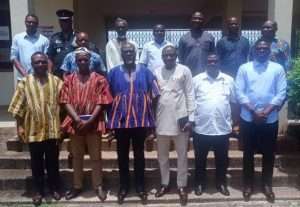
Participants at the meeting actively contributed ideas and recommendations on how to ensure the successful implementation of the exercise in the region. Key among the participants were the Regional Police Commander, the Regional Information Officer, the Regional Director of National Commission for Civic Education, the Regional Education Director, officials from the Ghana Health Service, the Regional Director of the Department of Children, as well as representatives from the Northern Regional Coordinating Council.
The stakeholders highlighted the need for effective coordination, community engagement, security deployment, and sustained public education to avoid misinformation and ensure maximum participation during the exercise.
Speaking on behalf of the Northern Regional Coordinating Council, the Director of Administration, Abdul Rahaman Ahmed Baba, expressed appreciation to the National Identification Authority for the initiative.
He described the registration exercise as a significant national intervention that would help strengthen Ghana’s identification system and improve access to essential services for children. He assured the Authority of the full support and cooperation of the Northern Regional Coordinating Council toward the successful implementation of the exercise.
Mr. Abdul Rahaman Ahmed Baba further urged all stakeholders to work collectively to ensure that eligible children across the region are captured under the national identification database, stressing that the exercise would contribute immensely to planning and service delivery in sectors such as education, healthcare, and social protection.
The meeting ended with a shared commitment among stakeholders to intensify awareness creation and institutional collaboration ahead of the commencement of the registration exercise in the Northern Region next month.