
On Saturday, January 11, 2025, World Bank Vice President for the Middle East and North Africa, Ousmane Dione visited the Northern Region to engage with key stakeholders of the Gulf of Guinea Northern Regions Social Cohesion (SOCO) Project. The visit underscored the project’s significance in promoting regional collaboration and socio-economic resilience.
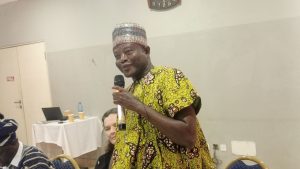

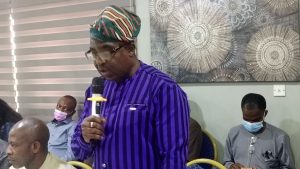
Key stakeholders, including implementers of the Ghana SOCO Project, briefed Vice President Dione on the project’s progress, challenges, and future plans. The SOCO Project aims to enhance regional collaboration and socio-economic resilience in border-zone communities across Ghana, Benin, Côte d’Ivoire, and Togo.
In Ghana, the project focuses on 48 beneficiary Metropolitan, Municipal, and District Assemblies (MMDAs) across six regions, primarily in the northern part of the country. Beneficiary districts include eight in the Northern Region, six in the North East, 15 in the Upper East, 11 in the Upper West, four in the Savannah Region, and four in the Oti Region.
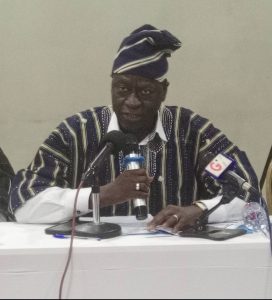
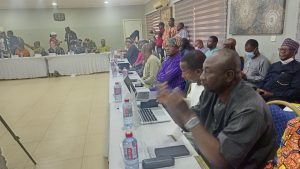

The project has made notable strides, with 582 projects valued at $150 million. These initiatives include providing water, school buildings, health facilities, markets, earth dams, and other critical infrastructure.
Mr. Sumaila Ewuntomah Abudu, the Acting Chief Director of the Northern Regional Coordinating Council on behalf of chiefs and people of the region, expressed gratitude to the World Bank for the SOCO Project and requested additional funding to extend its benefits to more MMDAs.
Key stakeholders of the SOCO Project shared their insights on the project’s progress, challenges, and future directions.
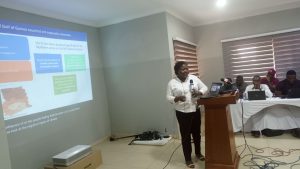
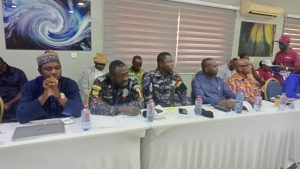
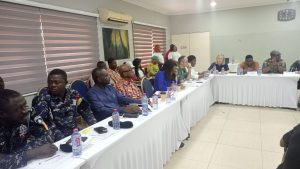
They highlighted the significant strides SOCO Project has made in Northern Ghana, improving the lives of thousands of people. One of the project’s notable achievements is the construction of critical infrastructure, including schools, healthcare facilities, and water systems. This infrastructure development has not only enhanced the quality of life but also fostered economic growth and social cohesion.
The project has also promoted social cohesion by strengthening relationships among community members. This has led to increased participation in community activities and decision-making processes, creating a sense of unity and cooperation By involving local stakeholders in the decision-making process, the project has ensured that community needs and priorities are being addressed.
In terms of economic opportunities, the SOCO Project has created over 3,748 jobs and empowered local communities, particularly women and youth. This has been achieved through skills training and access to finance, enabling community members to participate in economic activities and improve their livelihoods
Elizabeth Ohenewaa Adyei, Ghana’s SOCO Project Coordinator, provided a comprehensive update on the project’s progress. According to Adyei, the selection of beneficiary districts was based on a multi-criteria approach, taking into account factors such as; Proximity to border areas Poverty incidence, Climate vulnerability and Conflict.
Samuel Seth Passah, Chief Director of the Ministry of Local Government, Chieftaincy and Religious Affairs, highlighted the profound impact of the SOCO project on lives and livelihoods, particularly in addressing youth-related issues and boosting local economic development. He noted that the project aligns perfectly with the Local Government Act, section 12, which empowers local authorities to drive economic growth within their communities.
Vice President Dione expressed satisfaction with the project’s progress, acknowledging its potential to drive sustainable development and improve lives in the region. His visit demonstrated the World Bank’s commitment to supporting Ghana’s development priorities, particularly in social cohesion, economic growth, and environmental sustainability.