
Shea pickers, collectors and sector associations across Northern Ghana have received farm inputs and logistics from the Tree Crops Development Authority (TCDA) to support their operations, improve productivity and strengthen livelihoods across the Shea value chain.
The intervention forms part of the TCDA’s flagship programme, “Agriculture Inputs Distribution to Tree Crops Farmers,” and is aimed at addressing some of the operational and logistical challenges confronting Shea collectors, particularly women who play a critical role in the industry.
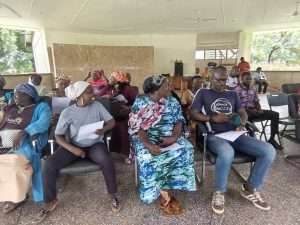

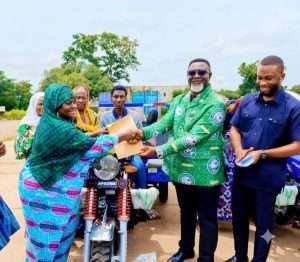
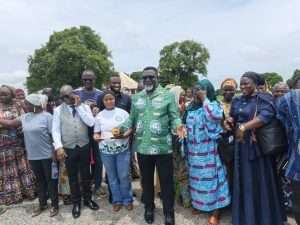
The items were handed over on Tuesday, September 8, 2026, at the Northern Regional Coordinating Council (NRCC) Residency in Tamale, at a ceremony attended by representatives of the TCDA, Shea associations, beneficiaries, development partners and other stakeholders.
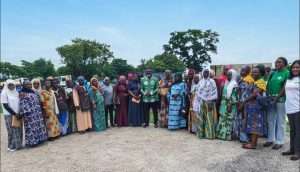
Beneficiaries were drawn from the Northern, Upper East, Upper West, Savannah and North East Regions, reflecting the importance of the Shea sector to livelihoods and economic activities across Northern Ghana.
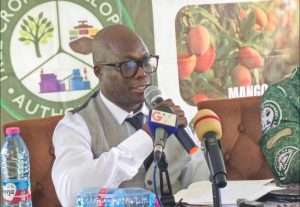
Speaking at the ceremony, the Chief Executive Officer (CEO) of the TCDA, Dr. Andy Osei Okrah, said the intervention formed part of the Authority’s commitment to supporting tree crop farmers and strengthening actors within the Shea value chain.
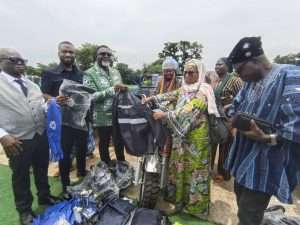

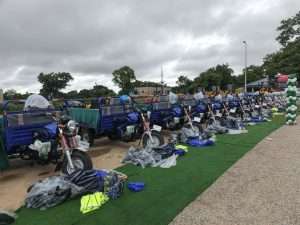
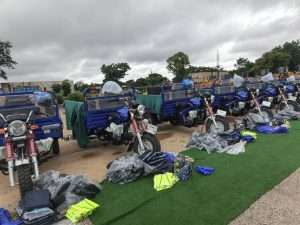
He explained that the logistics had been selected to respond to the practical challenges faced by Shea pickers and collectors, many of whom operate in difficult terrain and travel long distances to collect and transport Shea nuts. The items handed over included 10 tricycles, 12 motorbikes, 500 Wellington boots, 500 cutlasses, 500 pairs of hand gloves, 500 headlamps, 500 raincoats and 500 reflective jackets.
Dr. Okrah said the logistics were intended to improve the efficiency of Shea collection and the quality of Shea kernels supplied to the market, while reducing the difficulties associated with transporting Shea nuts from collection communities to aggregation points.


He emphasised that the intervention was part of a broader strategy to build a more efficient, organised and sustainable Shea industry capable of generating greater economic opportunities for actors along the value chain.
According to Dr. Okrah, the TCDA recognised that women were central to the sustainability and development of the Shea industry, given their significant role in harvesting, processing and marketing Shea products. He therefore encouraged the beneficiary associations to use the resources strategically to strengthen their organisations and improve the services they provided to their members.
The TCDA CEO urged beneficiaries to ensure that the items were used strictly for their intended purposes and managed in a manner that would generate maximum benefits for members and the wider Shea industry.
He further stressed the importance of proper record-keeping, accountability and maintenance of the logistics, indicating that the TCDA would undertake monitoring and supervision to ensure that the items were appropriately utilised.
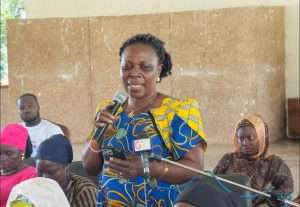
Speaking on behalf of the Northern Regional Minister, Hon. Ali Adolf John, the Regional Economic Development Planning Officer, Mr. Isaac Mengo, described the intervention as timely and relevant, particularly given the critical contribution of the Shea sector to rural livelihoods.
Mr. Mengo said the Shea industry remained an important economic anchor for many communities, contributing to local and international trade while creating employment and generating income for thousands of people.
He noted that the sector was particularly important to women, who played a dominant role in the harvesting, processing and trading of Shea products, making the strengthening of the value chain an important avenue for women’s economic empowerment.
“The Shea industry remains an important economic anchor for communities, fuelling both local and global trade and generating jobs and income. The Shea sector also serves as a powerful vehicle for empowering women economically, given their dominant role in harvesting, processing and trading,” Mr. Mengo stated.
He, however, acknowledged that grassroots actors continued to face challenges, including inadequate tools and supplies, limited access to fair markets and insufficient access to vital pricing information, which constrained their productivity and earnings.
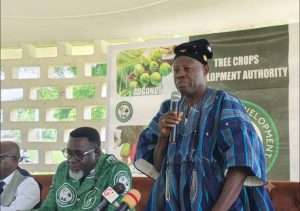

Mr. Mengo welcomed the intervention, explaining that the inputs would help improve collection efficiency, reduce the physical and economic burdens on pickers and collectors and ultimately contribute to improved livelihoods.
He urged beneficiaries to regard the inputs as essential productive assets rather than short-term assistance, and to use and maintain them responsibly to generate sustainable benefits for themselves, their associations and communities.

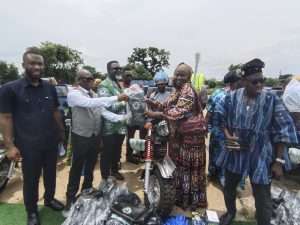
“I encourage you all to treat these supplies as vital tools for growth, using and maintaining them responsibly to increase your income and ensure that they benefit the objectives of your associations and communities,” he advised.
Mr. Mengo also called for stronger collaboration among Shea associations, government institutions, development partners and other stakeholders to ensure that the intervention achieved its intended objectives and unlocked the full potential of the Shea industry.
The provision of protective equipment such as Wellington boots, hand gloves, raincoats and reflective jackets is expected to improve the safety and working conditions of Shea collectors, while the headlamps will support collection activities during early morning and low-light conditions.
The tricycles and motorbikes are also expected to ease transportation challenges and facilitate the movement of Shea nuts from collection communities to aggregation points, while contributing to improved quality of kernels supplied to the market.
Mr. Mengo commended the TCDA for the initiative, describing it as a practical, people-centred intervention that demonstrated the Authority’s commitment to improving the livelihoods of grassroots actors within the tree crops sector. He praised the TCDA for identifying the specific needs of Shea pickers and collectors and providing them with relevant tools and logistics to address those challenges. He said the intervention was a clear demonstration of responsive leadership and urged the Authority to sustain and expand such initiatives to reach more women and other actors across the Shea value chain.
On behalf of the Northern Regional Minister and the Northern Regional Coordinating Council, Mr. Mengo expressed appreciation to the TCDA, development partners and other stakeholders for supporting the initiative, and urged beneficiaries to make prudent use of the resources.
The beneficiaries expressed their appreciation to the Tree Crops Development Authority (TCDA) and the Government for the initiative, describing the support as timely and beneficial to their operations. They said the logistics would help ease the challenges associated with Shea collection and transportation, improve their working conditions and enhance their productivity and incomes.
The beneficiaries pledged to use the items responsibly, maintain them properly and ensure that they served the intended purpose of strengthening Shea associations and improving livelihoods across the value chain.
The intervention is expected to strengthen the capacity of Shea pickers, collectors and associations, improve women’s participation in the value chain, enhance household incomes and contribute to the socio-economic development of Northern Ghana and the country as a whole.