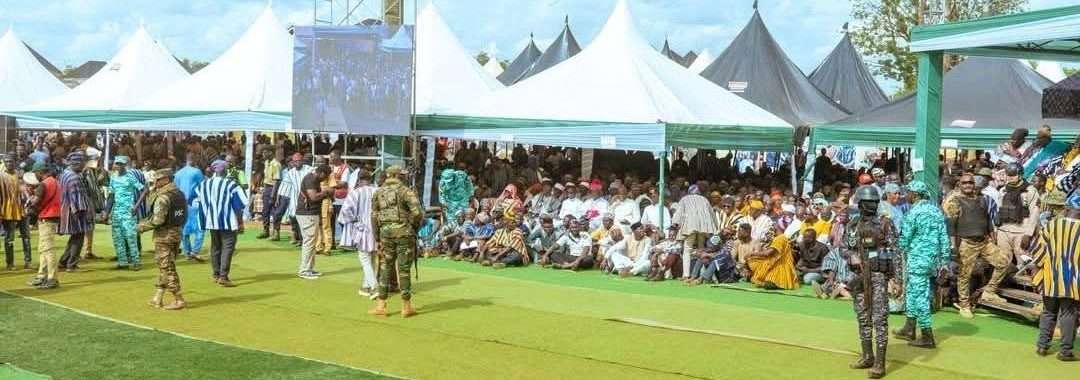
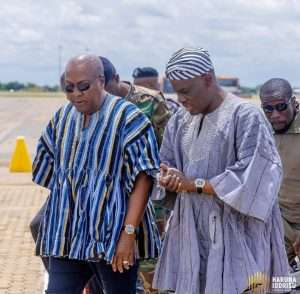
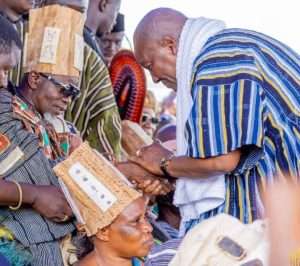
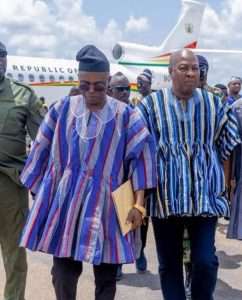
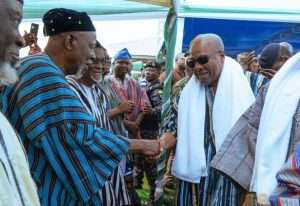
The Northern Regional Minister and Chairman of the Northern Regional Security Council (REGSEC), Hon. Ali Adolf John, warmly received the President of the Republic of Ghana, H.E. John Dramani Mahama, upon his arrival in the Northern Region and led the presidential delegation to Yendi to participate in the funeral rites of the late Overlord of Dagbon, His Royal Majesty Ndan Yaa-Naa Abukari II, and the enskinment of the Regent of Dagbon.
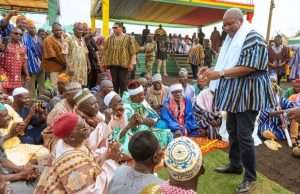
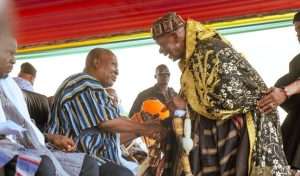
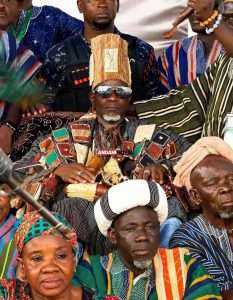
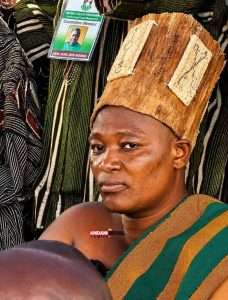
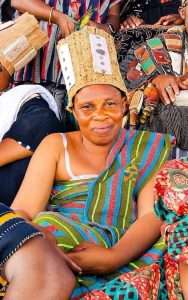
The solemn but historic occasion brought together eminent traditional rulers, government officials, Members of Parliament, Ministers of State, Former Vice President, Metropolitan, Municipal and District Chief Executives (MMDCEs), religious leaders, diplomats, security chiefs, and thousands of mourners from across the country to honour the remarkable legacy of one of Ghana’s most respected traditional rulers while ushering in a new chapter in the Kingdom’s traditional governance.
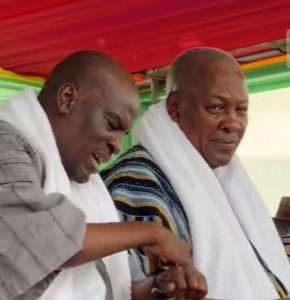
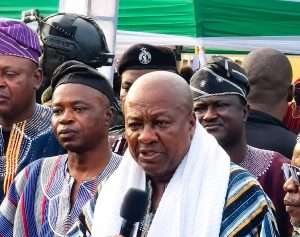
Hon. Ali Adolf John played a pivotal role throughout the President’s visit, ensuring seamless coordination of activities and working closely with the Regional Security Council and other security agencies to maintain law and order before, during, and after the ceremony. The peaceful conduct of the funeral and the successful enskinment of the Regent reflected the strong collaboration between government, the security services, and the traditional authorities of Dagbon.
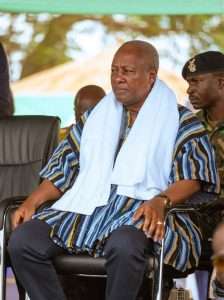
Addressing the gathering at the Gbewaa Palace, President John Dramani Mahama paid glowing tribute to the late Yaa-Naa, describing his passing as not only a loss to Dagbon but a national tragedy. He extended heartfelt condolences on behalf of the Government and people of Ghana, his family, and himself to the Royal Family, the chiefs and people of Dagbon, and all Ghanaians mourning the revered King.
The President praised the late Yaa-Naa Abukari II as an extraordinary traditional ruler whose wisdom, humility, courage, and unwavering commitment to peace elevated the institution of chieftaincy and strengthened Ghana’s democratic governance. He noted that the late monarch would forever be remembered as one of the nation’s finest custodians of traditional heritage.
President Mahama recounted how the late Yaa-Naa ascended the Skin of Dagbon during one of the most difficult periods in the Kingdom’s history, following years of conflict and division. Despite the enormous challenges, the late King transformed uncertainty into hope through patience, humility, and visionary leadership that restored reconciliation, unity, and confidence among his people.
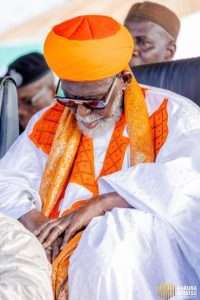
The President recalled one of the late King’s most cherished principles: “I love those who build bridges of peace, but I do not like those who destroy the peace.” According to him, these words were not merely a slogan but became the guiding philosophy of the late Yaa-Naa’s reign, leading Dagbon from conflict to lasting peace and stability.
President Mahama further highlighted the late King’s commitment to institutional reforms and development. He noted that the late Yaa-Naa championed the adoption of the Dagbon Constitution, which strengthened traditional governance by establishing clearer institutional arrangements while preserving the cherished customs of the Kingdom. He described this achievement as evidence that tradition and modern governance can successfully complement each other.
The President also applauded the late monarch’s vision for sustainable development through the implementation of a Ten-Year Development Plan aimed at improving education, agriculture, healthcare, infrastructure, and economic opportunities across Dagbon. According to him, the late Yaa-Naa understood that safeguarding tradition must go hand in hand with improving the living standards of his people.
President Mahama observed that under the leadership of the late Yaa-Naa, the Gbewaa Palace became a centre for dialogue, development, and partnership. He noted that successive Presidents, diplomats, development partners, investors, and public institutions found in the late King a respected statesman whose counsel, integrity, and commitment to national development earned widespread admiration.
Reflecting on his personal relationship with the late monarch, President Mahama disclosed that he had always valued the Yaa-Naa’s thoughtful advice, calm disposition, patriotism, and unwavering dedication to the welfare of Dagbon and Ghana. He expressed deep appreciation for the King’s wise counsel and acknowledged that his absence would be greatly felt.
The President called on all sons and daughters of Dagbon to preserve the peace and unity painstakingly built by the late Yaa-Naa. He urged chiefs, youth, opinion leaders, and community members never to allow divisions to undermine the priceless legacy left behind by the revered monarch but instead work together to sustain harmony and accelerate development.
President Mahama reaffirmed Government’s unwavering commitment to partnering with traditional authorities across the country to strengthen peace, local governance, cultural preservation, and socio-economic development. He emphasized that traditional leadership remains an indispensable partner in Ghana’s national development agenda and commended the late Yaa-Naa for exemplifying that partnership throughout his reign.
Describing the late King as a peacemaker, reconciler, visionary traditional ruler, institution builder, champion of development, and a father who deeply loved his people, President Mahama prayed for Almighty Allah to forgive his shortcomings, reward his many good deeds with Al-Jannatul Firdaus, comfort the bereaved family, and grant Dagbon continued peace, unity, and prosperity.
The successful funeral rites and enskinment of the Regent marked another significant milestone in the history of Dagbon. Under the leadership of Northern Regional Minister Hon. Ali Adolf John and through the coordinated efforts of REGSEC, the security services, and traditional authorities, the event was conducted peacefully, reaffirming Dagbon’s enduring commitment to stability, reconciliation, and development while honouring the enduring legacy of the late Yaa-Naa Abukari II.